A primary target to improve water quality of rivers continues to concentrate on reducing excessive nitrogen quantities reaching surface waters. One means of reduction is simply to reduce fertilizer rates applied by farmers. NC State University, with cooperation from NC Extension, has long provided guidelines for application of nitrogen through establishment of Realistic Yield Expectation (RYE) rates based on soil type and historic yield. Should farmers reduce rates to the suggested RYE, not only will this reduce the chance of excess nitrogen reaching surface waters, but it will also improve the profitability of farmers. Regrettably, acceptance of this tool has been low. Farmers fear loss of yield due to lower nitrogen rates and have been dubious of validity of this tool.
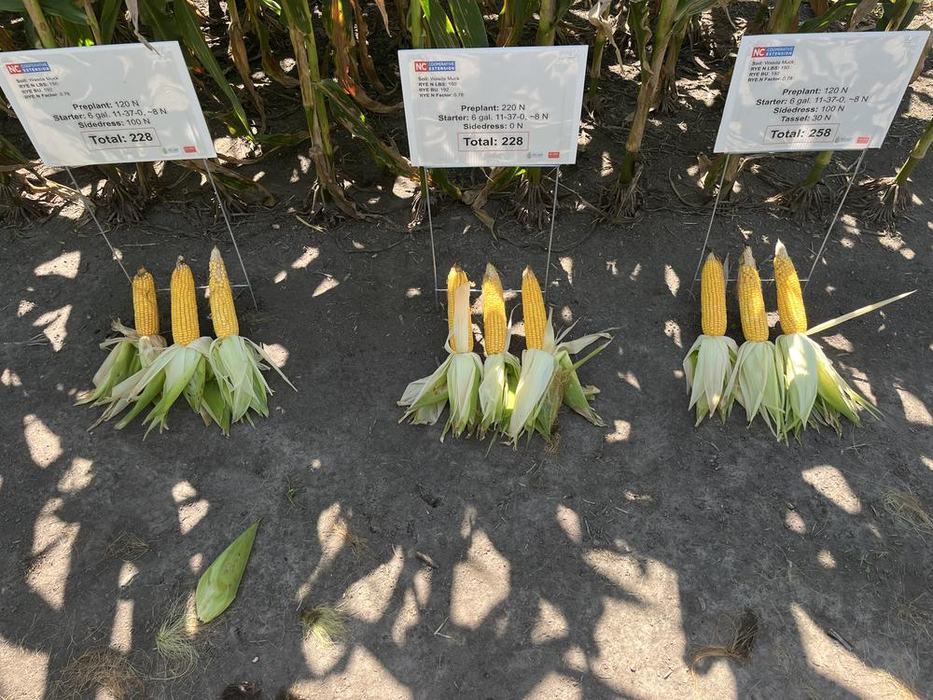
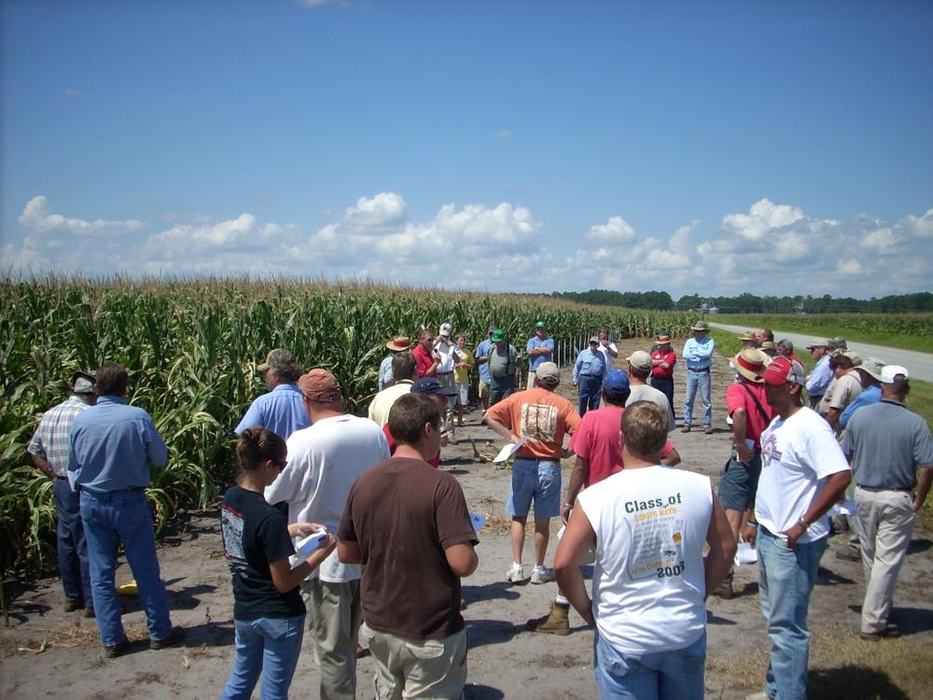
Extension Agents utilized farmer fields to apply a growers existing rate of nitrogen along with 25% below and above this amount in trials. Yield data was gathered and published on webpages, social media, and presented at local meetings. Data shows no significant yield increase for corn when using the RYE recommended rate compared to the highest grower rate. This has been continually promoted. As a result of this continuous campaign, growers have slowly, yet steadily, reduced nitrogen rates for corn. Grower surveys and agricultural supplier interviews confirm a reduction in fertilizer rates to the recommended RYE for a bit over half the production acres within Craven County. Furthermore, NCSU faculty within the Crop & Soil Science Department noted this self-reported reduction by farmers within this region during a nutrient study.