According to the North Carolina Youth Outdoor Engagement Commission, North Carolina's youth face increasing challenges related to screen time, sedentary lifestyles, and a growing disconnect from the natural environment. This trend contributes to a range of issues, including decreased physical activity and environmental literacy. Decreased physical activity leads to higher rates of childhood obesity and related health problems, while decline in children's direct experience with nature, leads to reduced creativity, problem-solving skills, and increased stress levels according to the National Institute for Health. In addition, limited knowledge about local ecosystems, wildlife, and conservation practices, translates to a reduced understanding of their role in environmental stewardship.
Extension Impact: State Park Explorers Camp
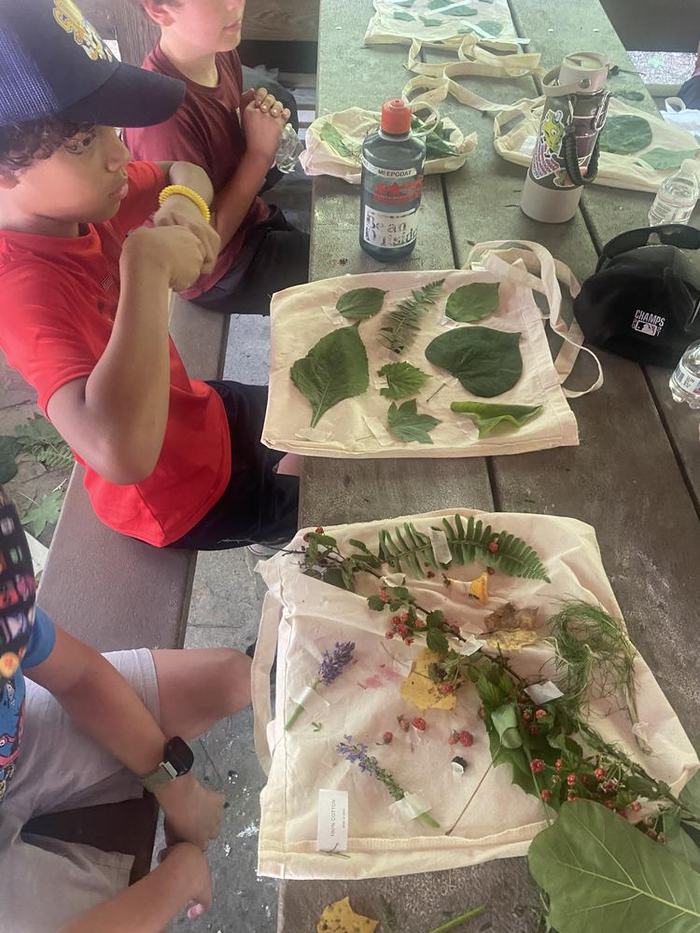
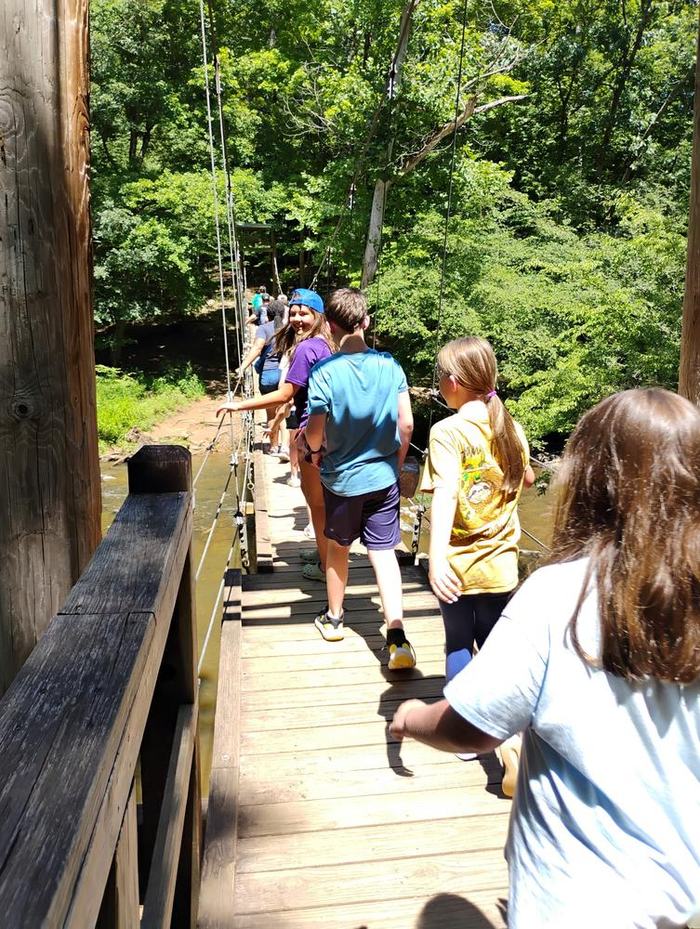
To address these critical needs, North Carolina Cooperative Extension 4-H Youth Development partnered with the North Carolina State Parks system to implement the "State Park Explorers Camp." This immersive, week-long day camp program was designed to: increase physical activity through outdoor exploration; enhance environmental literacy and appreciation for nature; develop practical outdoor skills and foster a sense of adventure; and provide accessible outdoor education opportunities. N.C. Cooperative Extension 4-H Youth Development Agents implemented and designed weekly schedule, recruited and trained camp counselors, managed registrations, provided transportation, and facilitated daily camp activities. North Carolina State Parks provided access to park facilities, utilized Jr. Ranger program for specialized sessions, and expertise on local ecosystems. Park Rangers served as guest speakers and activity facilitators. The State Park Explorers Camp was open to youth ages 8-12 years old. Pitt County hosted 10 youth while Franklin County hosted 14 youth in this year’s program.
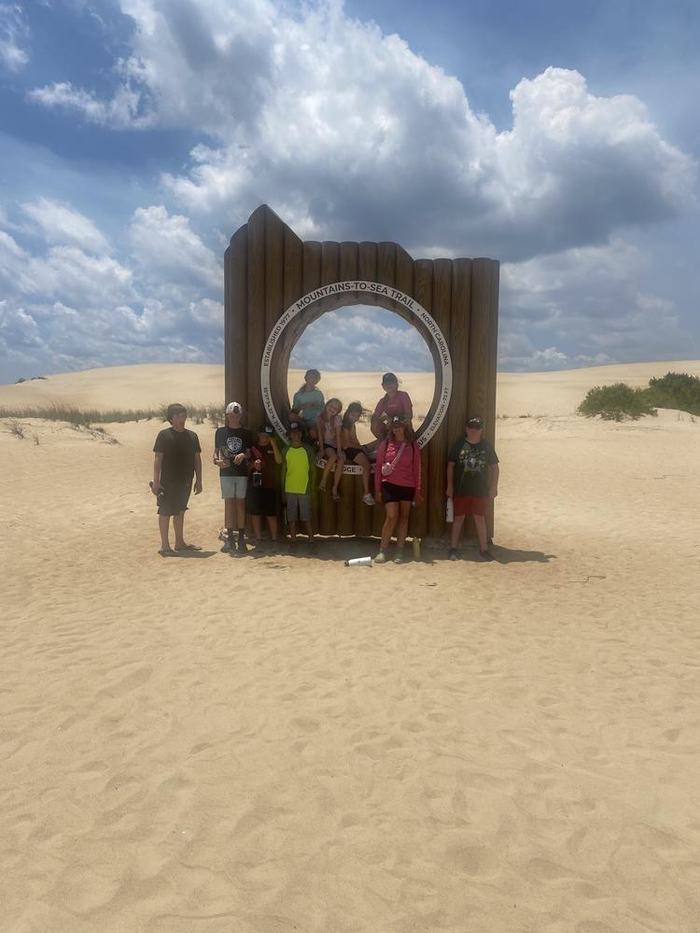
The State Park Explorers Camp yielded significant positive impacts on the lives of campers. Increased Physical Activity and Outdoor Engagement: 95% of campers reported spending more time outdoors during the camp week than they typically did. The average camper walked an estimated 10 miles throughout the week through daily hikes and exploratory activities. Received praise from parents who enjoyed reduced screen time and were happy to see their children being able to interact with nature without the distraction of screens. Enhanced Environmental Literacy and Appreciation: Campers expressed a greater appreciation for nature and wildlife. Many campers shared stories of observing birds, insects, and plants more closely in their own backyards after the camp. 70% of campers earned Jr. Ranger badges for their participation in all the camp educational activities. Several campers indicated a desire to learn more about environmental and were interested in other outdoor programs 4-H may offer. Campers demonstrated proficiency in at least three new outdoor skills by the end of the week, including: using a trail map, identifying common North Carolina wildlife, and plant identification. State Park Explorers Camp directly addresses the critical need for children to connect with nature, develop healthy habits, and become environmentally conscious citizens. By fostering a love for the outdoors, we are not just impacting their childhoods but also shaping their future health, well-being, and capacity for environmental stewardship. Parents and youth alike thoroughly enjoyed this camping program and are looking forward to participating in this camp again in the future.
Counties: Pitt & Franklin
Team Members: Lauren Dail (Pitt), Claudia Segovia (Pitt), Meg Wyatt (Franklin)
Objective: 4-H Youth Development